

-
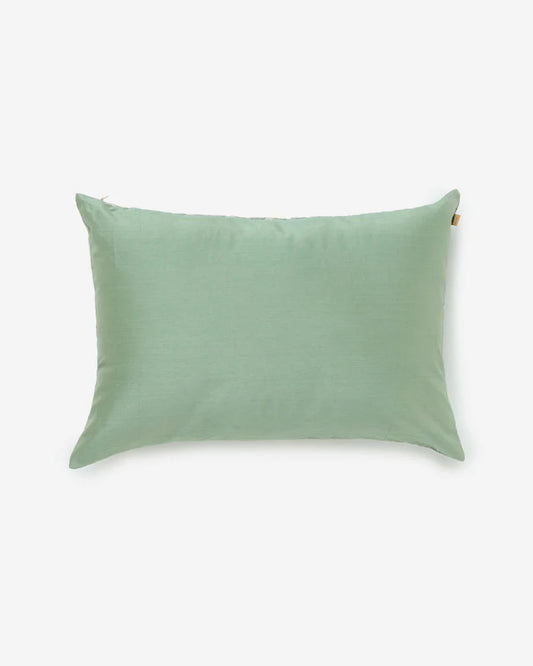
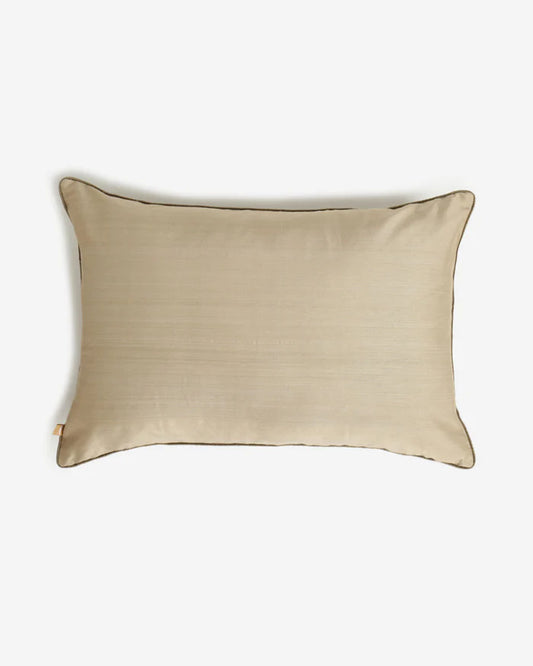
Sage & Ivory Banarasi Silk Lumbar Pillow
Regular price $120 USDRegular price -
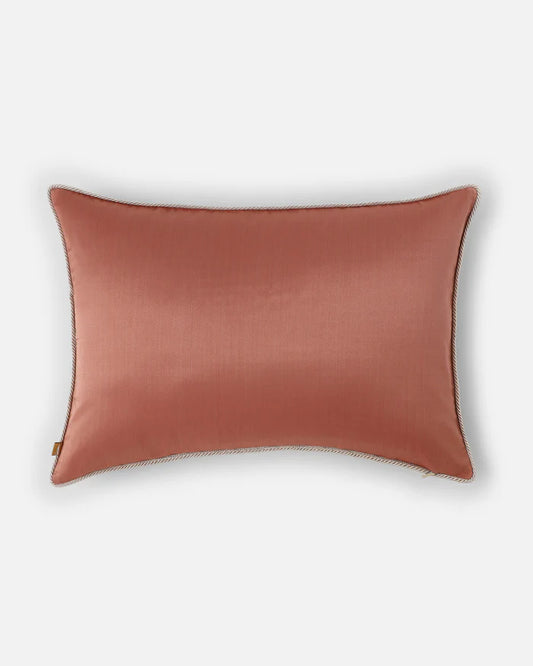
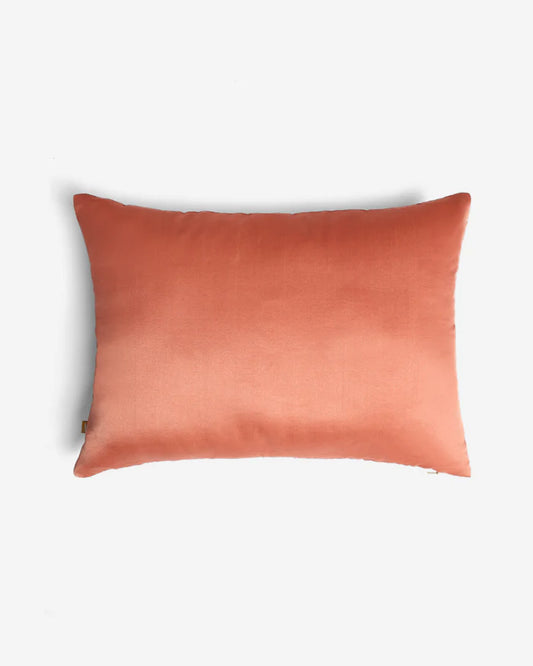
Burnished Copper & Sage Lumbar Pillow
Regular price $150 USDRegular price -
Deer's Fable Tanchoi Silk Pillow - Ivory Forest
Regular price $150 USDRegular price -
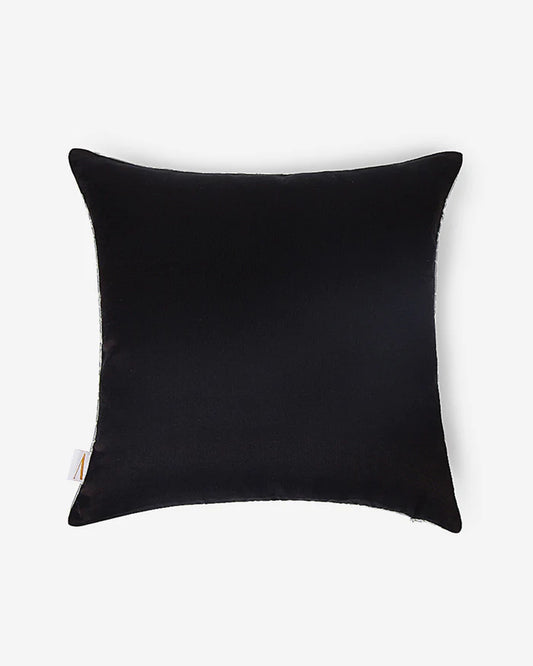
Silver Brocade Cushion
Regular price $80 USDRegular price -
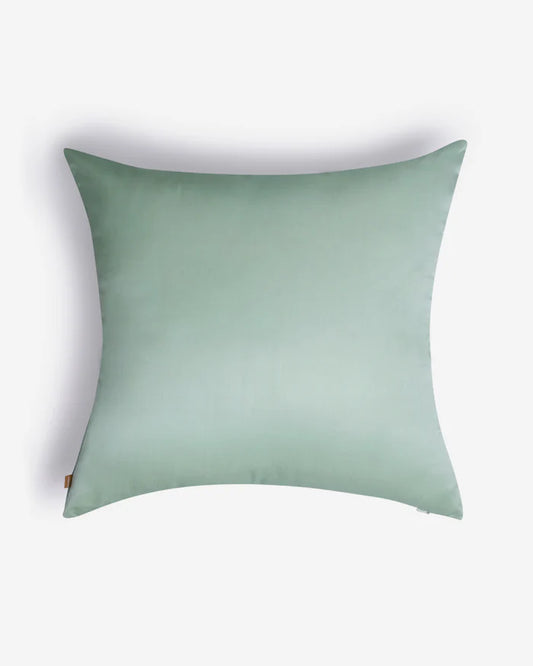
Seafoam Green Banarasi Silk Pillow - Tonal Fern
Regular price $110 USDRegular price -
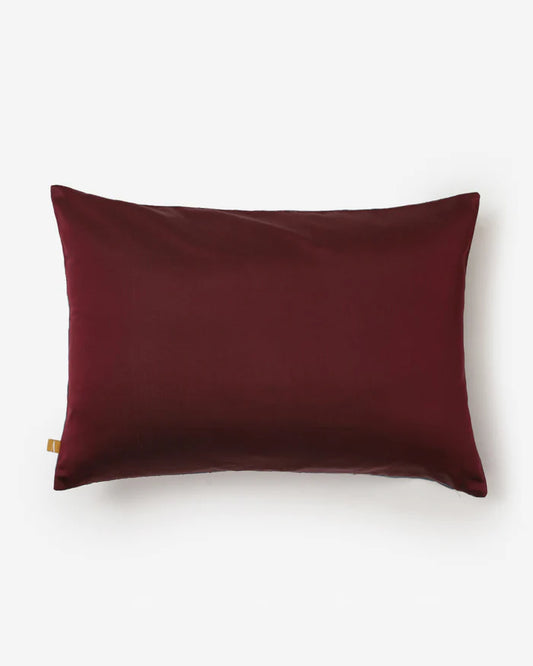
Forest Tanchoi: Merlot Woodland Silk Pillow
Regular price $110 USDRegular price -
Blush Diamond Ikat Lumbar Pillow
Regular price $110 USDRegular price -
Aqua Ikat Silk Pillow
Regular price $110 USDRegular price -
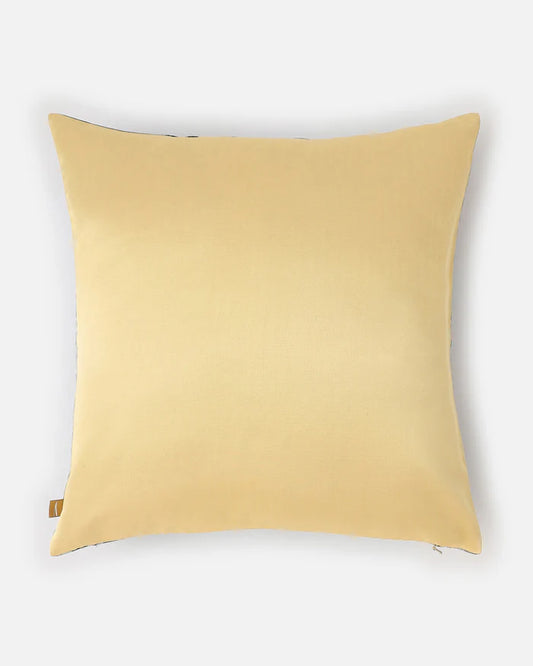
Silk Glow Cushion
Regular price $110 USDRegular price -
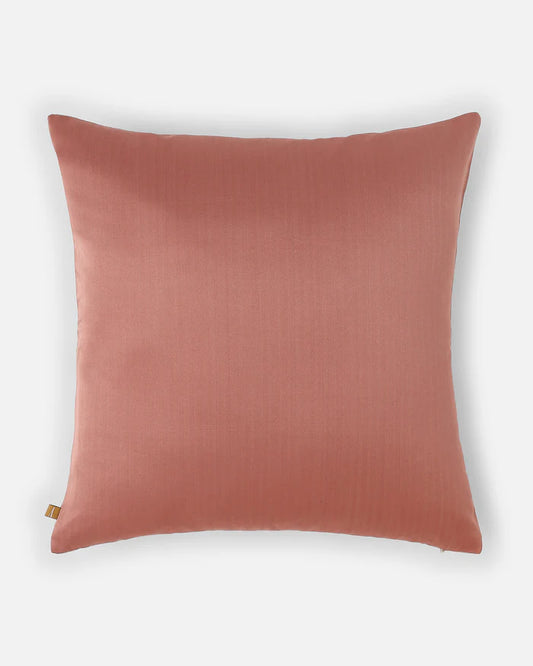
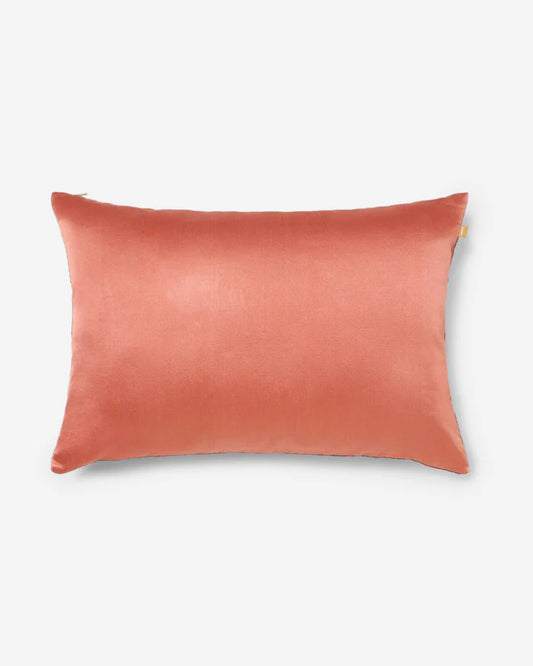
Apricot Banarasi Silk Tanchoi Lumbar Pillow
Regular price $120 USDRegular price -
Anār Pomegranate Silk Lumbar Pillow
Regular price $110 USDRegular price -
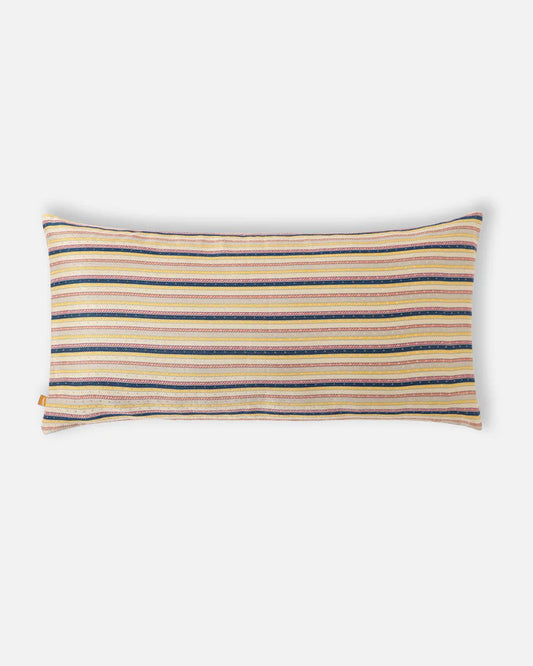
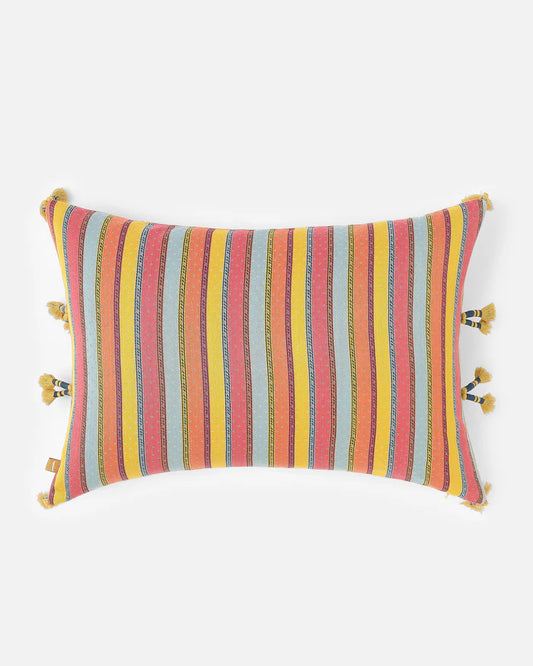
Sunset Stripe Silk Lumbar Pillow
Regular price $120 USDRegular price -
Marigold Orange Banarasi Silk Lumbar Pillow
Regular price $140 USDRegular price -
Sunlit Zari Cushion
Regular price $190 USDRegular price -
Lilac Whisper Gyasar Lumbar Pillow
Regular price $170 USDRegular price -
Sage Green Ikat Silk Pillow
Regular price $170 USDRegular price














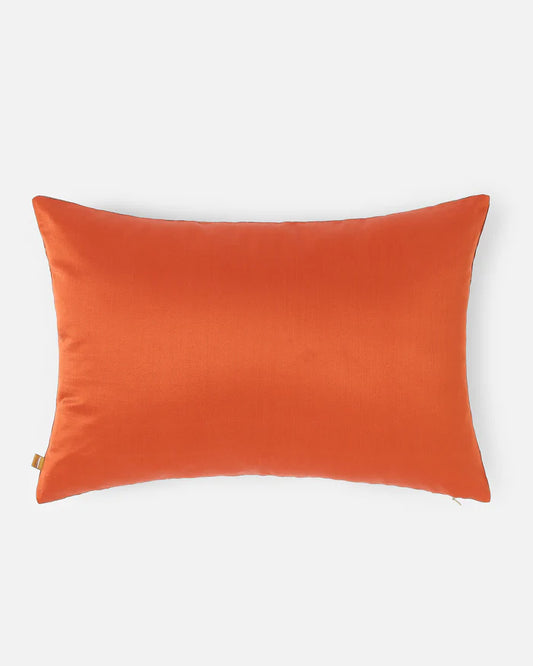

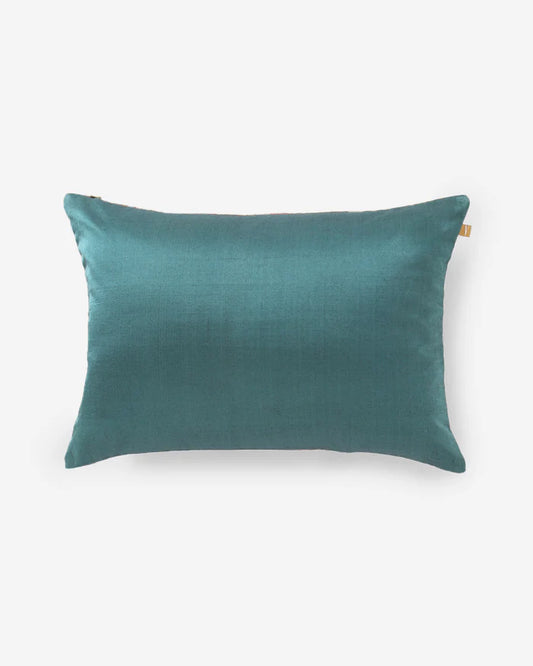

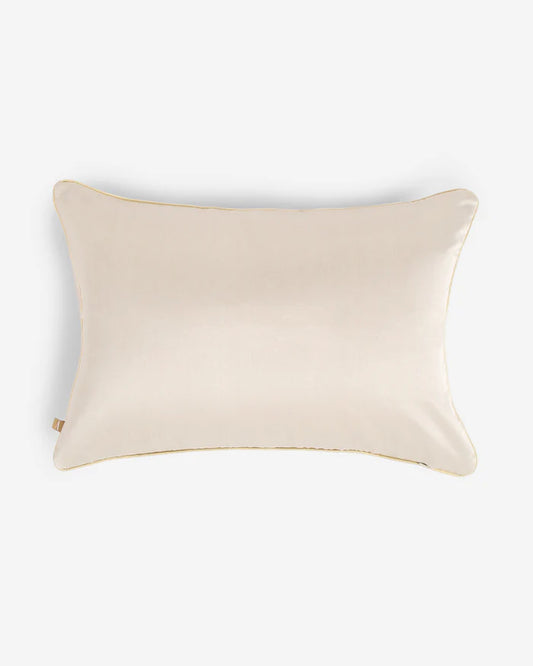

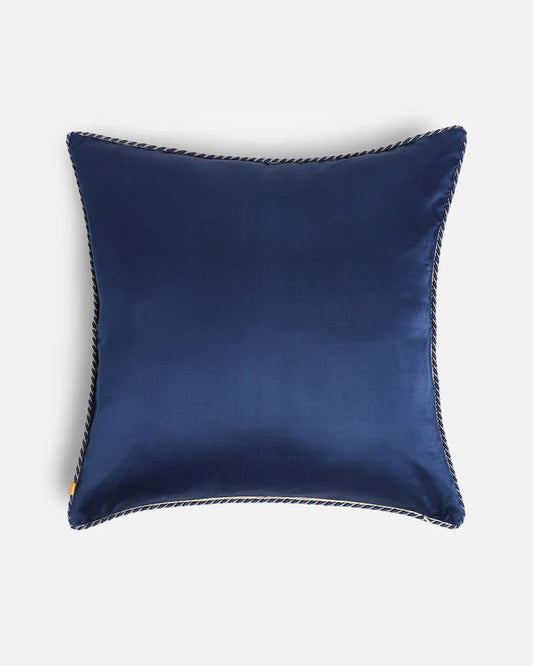
Discover other Collections
-

Tanchoi Silk
Tanchoi silk pillows and table runners hand-loomed in Varanasi, with botanical florals...
-

Ikat Silk Cushions & Table Runners
Ikat silk pillows and table runners hand-loomed in Pochampally using the double-ikat...
-

Hand-Knotted Rugs
Hand-knotted luxury rugs made knot by knot by heritage artisans – thousands...


Common Questions
What is the difference between Gyasar, Tanchoi, and Ikat silk pillows?
Gyasar is a Tibetan-influenced brocade woven in Varanasi in which gold zari thread builds the motifs directly into the cloth. Tanchoi is a Banarasi silk technique in which botanical patterns are woven into the structure of the cloth rather than printed onto its surface. Ikat, from Pochampally, resist-dyes every thread before weaving begins, giving a soft, feathered geometric pattern. All three are handwoven in India in natural mulberry silk by weavers who train for decades.
What is Tanchoi silk?
Tanchoi is a Banarasi silk-weaving technique from Varanasi with a satin or twill base and a richly patterned supplementary weft. Its defining feature is that the pattern — often dense botanical florals or birds — is woven into the structure of the cloth with no long floating threads on the reverse, so the fabric is smooth on both faces. The technique is said to have been brought to Varanasi via Parsi traders who learned it from Chinese weavers in the 19th century, and it remains one of the most labour-intensive Banarasi weaves.
What is Ikat weaving and how is it made?
Ikat is a resist-dyeing technique in which the yarn is dyed before it is woven, not after. The weaver binds sections of the thread so they resist the dye, dyes the yarn, then aligns the pre-dyed threads on the loom so the pattern emerges as the cloth is woven. In double ikat, practised in Pochampally, both the warp and the weft are resist-dyed and must be aligned precisely during weaving — any miscalculation and the pattern blurs, which is why ikat is sometimes called the art of calculated risk. The slight feathered edge to the motifs is the signature of genuine hand ikat.
What is Gyasar brocade?
Gyasar is a heavy, opulent silk brocade woven in Varanasi, traditionally for the Himalayan and Tibetan-Buddhist market. It is characterised by dense, bold floral and geometric motifs and generous use of gold or silver zari thread, which builds the design directly into the cloth. Gyasar is among the richest and most structured of the Varanasi brocades, which is why a Gyasar cushion reads as a statement piece.
What sizes do the silk pillows come in, and are inserts included?
The collection includes square cushions and longer lumbar pillows designed to layer together. Each listing specifies dimensions and whether an insert is included, and covers are sized to fit standard inserts. Because every cover is woven by hand, slight variation in size and pattern between pieces is expected and is a mark of genuine handloom work.
How do you style and layer silk throw pillows?
A collected, designer look comes from contrast: layer the structured sheen of a Banarasi or Gyasar brocade cushion against matte, organic surfaces such as linen, raw wood, or wool. Mix scales by placing a slim lumbar in front of a large square, and mix weaves by pairing a geometric Ikat with a botanical Tanchoi. The silk's natural lustre shifts with the light through the day, which helps the pieces anchor a room.
How do you care for a handwoven silk cushion cover?
Handwoven silk should be spot-cleaned or dry-cleaned to preserve the zari thread and the dye, and kept out of prolonged direct sunlight. Full care instructions are included with every order. Handled with reasonable care, a handwoven silk cushion holds its colour and structure for years. All orders ship free to the US and Canada with duties covered.
Are silk pillows a good housewarming or wedding gift?
Yes. Handwoven silk cushions are among the most-given housewarming and wedding gifts because they are distinctive, useful, and unlikely to be duplicated — a storied heirloom rather than a generic furnishing. Most pillows fall under $250, ship free to the US and Canada with duties covered, and dispatch within 2–5 business days.