

-
Blush Diamond Ikat Lumbar Pillow
Regular price $110 USDRegular price -
Sage Green Ikat Silk Pillow
Regular price $170 USDRegular price -
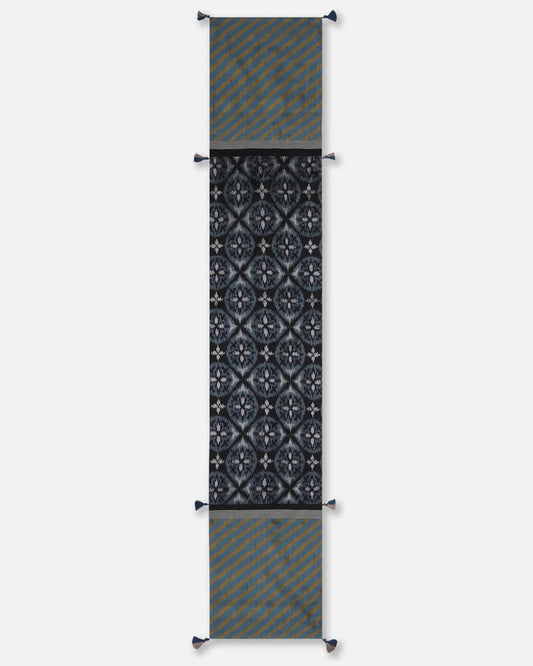
Indigo Ikat Silk Table Runner
Regular price $160 USDRegular price -
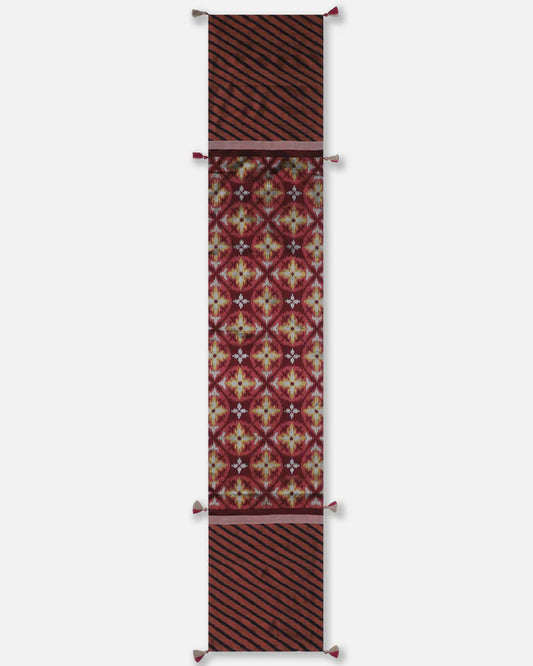
Oxblood Ikat Silk Table Runner
Regular price $160 USDRegular price -
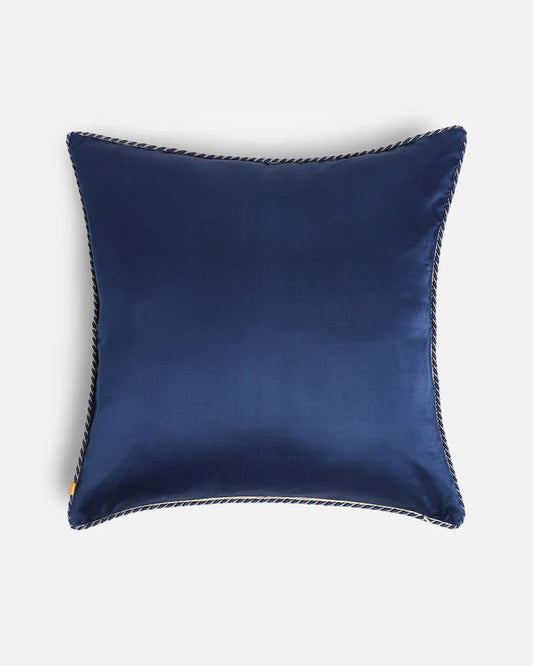
Aqua Ikat Silk Pillow
Regular price $110 USDRegular price -
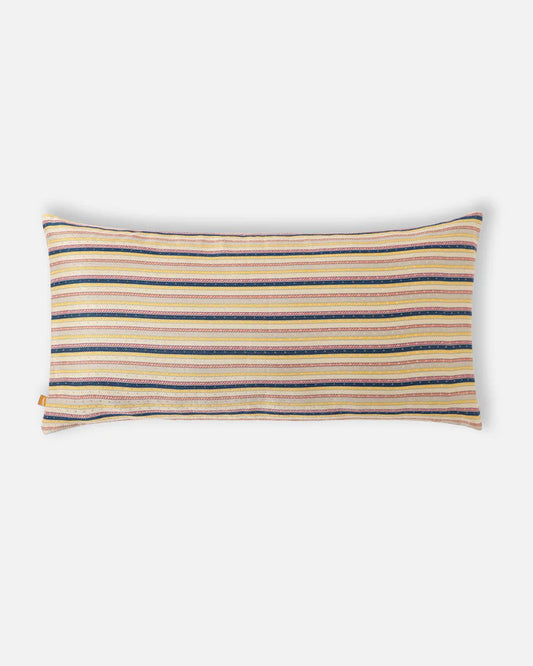
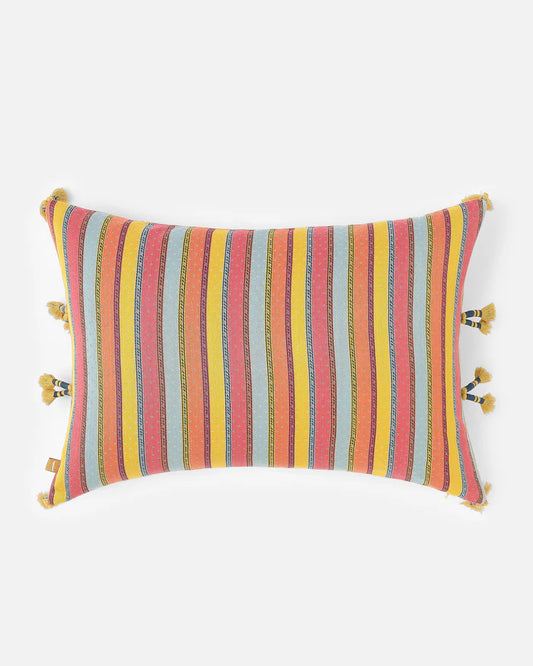
Sunset Stripe Silk Lumbar Pillow
Regular price $120 USDRegular price






Discover other Collections
-

Tanchoi Silk
Tanchoi silk pillows and table runners hand-loomed in Varanasi, with botanical florals...
-

Ikat Silk Cushions & Table Runners
Ikat silk pillows and table runners hand-loomed in Pochampally using the double-ikat...
-

Hand-Knotted Rugs
Hand-knotted luxury rugs made knot by knot by heritage artisans – thousands...


Common Questions
What is Ikat weaving?
Ikat is a resist-dyeing technique in which the yarn is dyed before it is woven, not after. The weaver binds sections of thread so they resist the dye, dyes the yarn, then aligns the pre-dyed threads on the loom so the pattern emerges as the cloth is woven. It is one of the most technically demanding weaving traditions in the world, and the soft, feathered edge to each motif is the signature of genuine hand ikat.
How is Ikat made, step by step?
First the weaver maps the design onto the bundles of yarn. Sections of the yarn are then tightly bound so they resist the dye, and the yarn is dyed, sometimes through several rounds for multiple colours. The bindings are removed to reveal the pattern in the thread, and the pre-dyed yarn is mounted on the loom and aligned so the design resolves as the cloth is woven. The whole process is done by hand before any weaving begins.
What is double ikat?
Double ikat, the method practised in Pochampally, resist-dyes both the warp and the weft threads before weaving, and the two sets must be aligned precisely on the loom for the pattern to resolve. It is far more difficult than single ikat, where only one set of threads is dyed. Because the colour is dyed into the yarn rather than printed, the pattern appears on both faces of the cloth and never fades off the surface.
Why is ikat called the art of calculated risk?
Because the entire pattern is committed to the yarn through binding and dyeing before a single thread is woven, the weaver cannot correct a mistake once weaving begins. One miscalculation in the dyeing or the alignment and the design blurs or breaks. The slight feathered edge to the motifs is the visible trace of that hand process and the mark of authentic ikat.
Where is Pochampally ikat from?
Pochampally is a town in Telangana, India, renowned for its double-ikat silk weaving. The tradition is recognised for its geometric patterns and precise alignment of warp and weft, and Pochampally ikat is one of India's celebrated handloom traditions. Home and the World's ikat cushions and table runners are hand-loomed there.
How do you care for Ikat silk?
Handwoven Ikat silk should be spot-cleaned or dry-cleaned to protect the hand-dyed yarn, and kept out of prolonged direct sunlight to preserve colour. Blot spills immediately rather than rubbing. Full care instructions ship with every order, and handled with reasonable care an Ikat piece holds its colour and feathered pattern for years.
Do Ikat pillows and runners ship free to the US and Canada?
Yes. All orders ship free to the US and Canada with all duties covered, so the listed price is the final price. Most in-stock pieces ship within 2–5 business days, and each is limited edition and hand-loomed in Pochampally — which makes ikat a distinctive housewarming and wedding gift.