

-

 Sold out
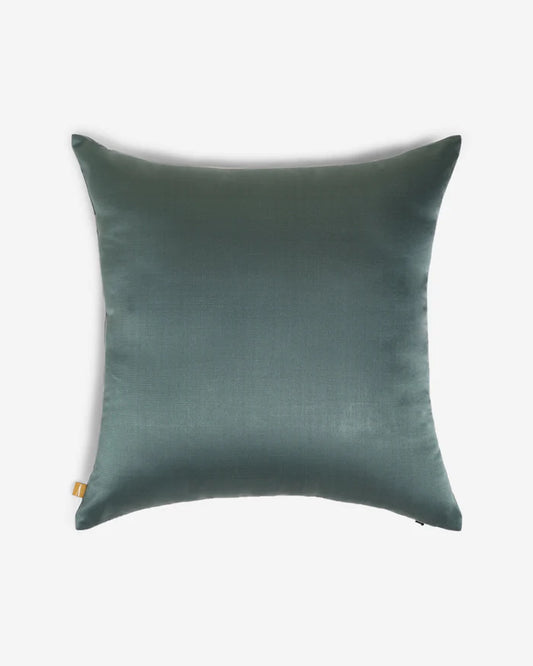
Samarkand Navy Gyasar Silk Pillow
Regular price $240 USDRegular price -
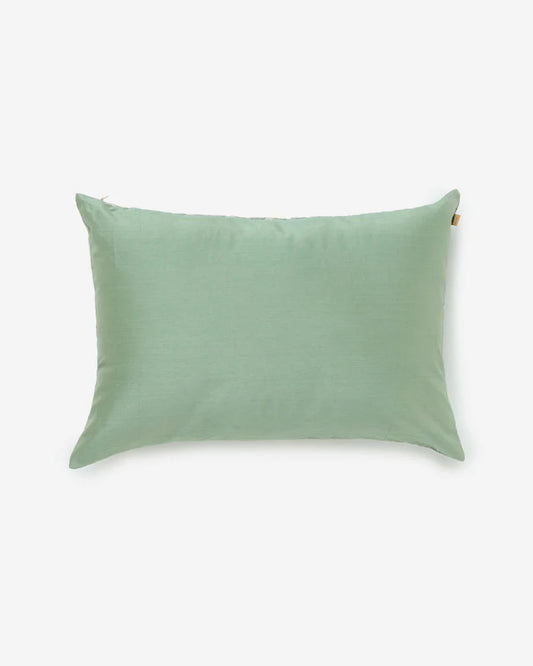
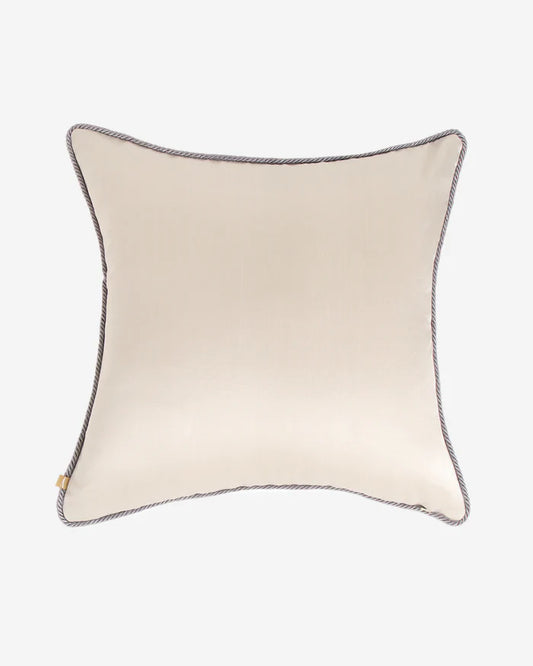
Sage & Ivory Banarasi Silk Lumbar Pillow
Regular price $120 USDRegular price -
Lotus Aqua Gyasar Silk Pillow
Regular price $220 USDRegular price -
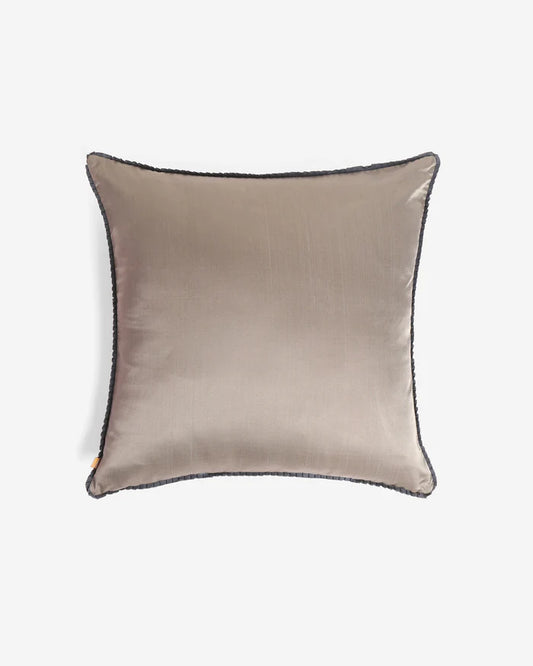
Moonlit Silver Laleh Gyasar Pillow
Regular price $220 USDRegular price -
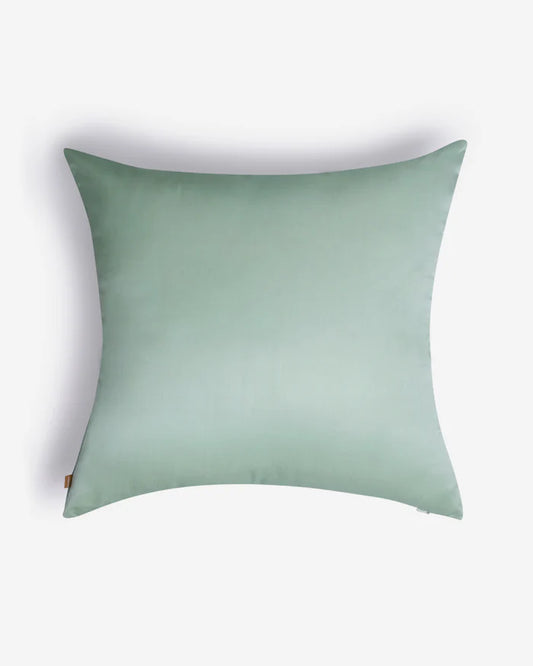
Seafoam Green Banarasi Silk Pillow - Tonal Fern
Regular price $110 USDRegular price -
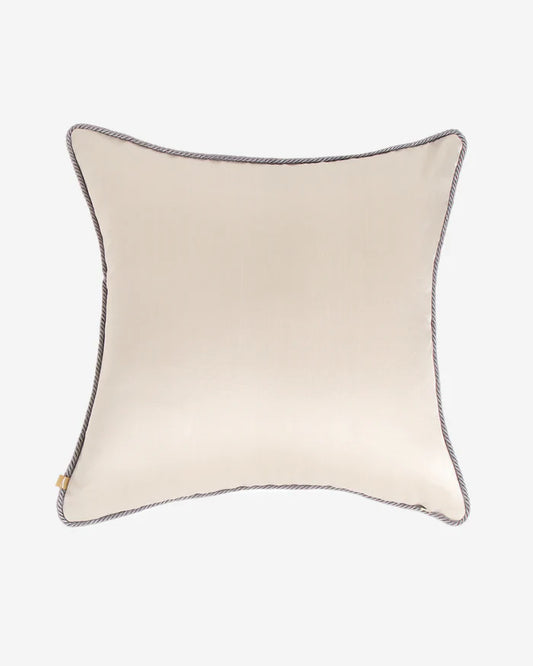
Navy & Ivory Banarasi Botanical Silk Pillow
Regular price $190 USDRegular price -
Antique Rose Gyasar Silk Pillow
Regular price $220 USDRegular price -
Gilded Emerald Wildflower Gyasar Silk Pillow
Regular price $240 USDRegular price -
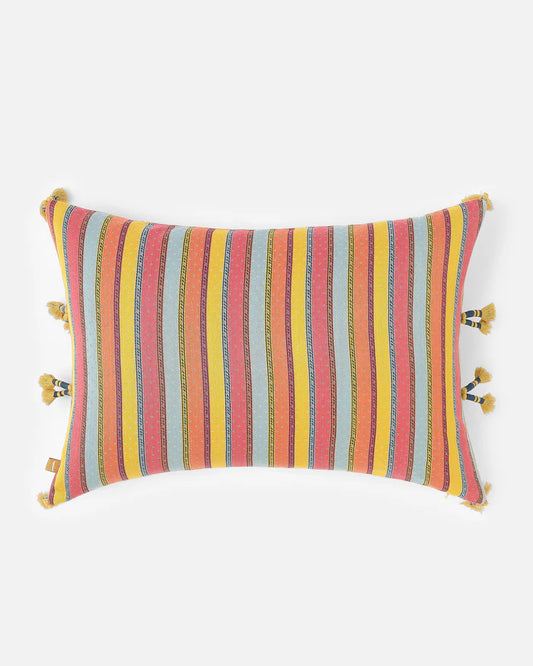
Sunset Stripe Silk Lumbar Pillow
Regular price $120 USDRegular price -
Apricot Banarasi Silk Tanchoi Lumbar Pillow
Regular price $120 USDRegular price -
Aqua Ikat Silk Pillow
Regular price $110 USDRegular price -
Rose & Charcoal Bhujodi Wool Throw Blanket
Regular price $250 USDRegular price -
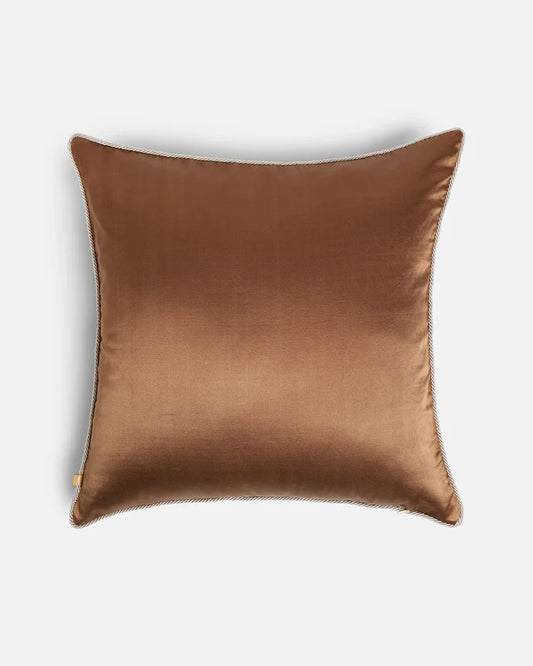
Burnished Copper & Sage Lumbar Pillow
Regular price $150 USDRegular price -
Elephant Bhujodi Cotton Pillow
Regular price $120 USDRegular price -
Sunlit Zari Cushion
Regular price $190 USDRegular price -
Silk Glow Cushion
Regular price $110 USDRegular price










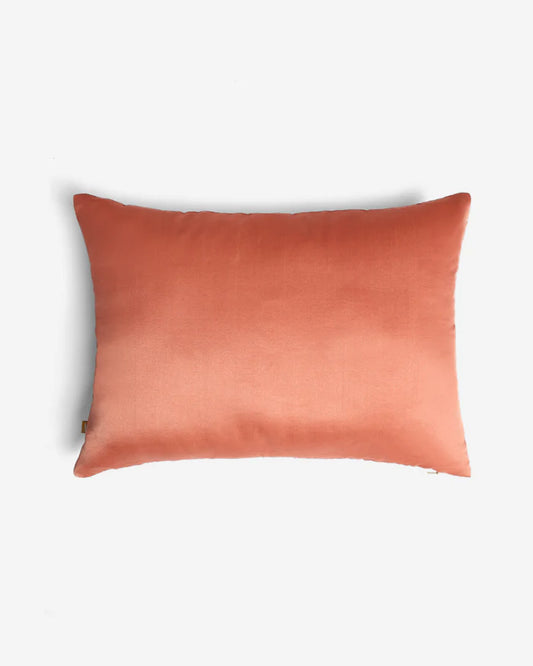

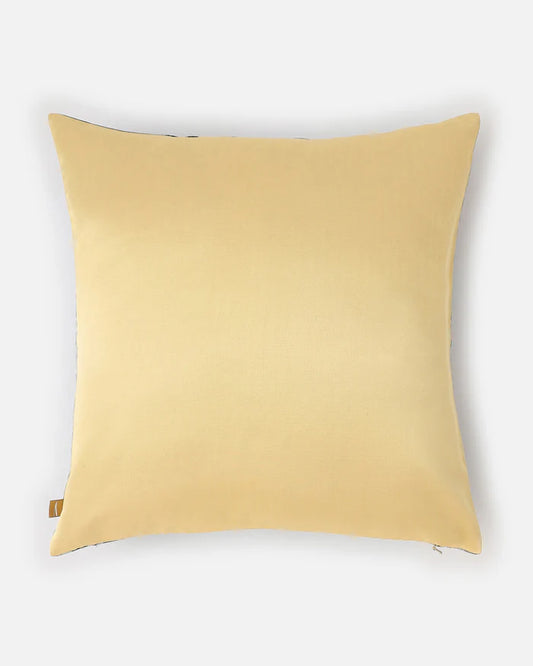

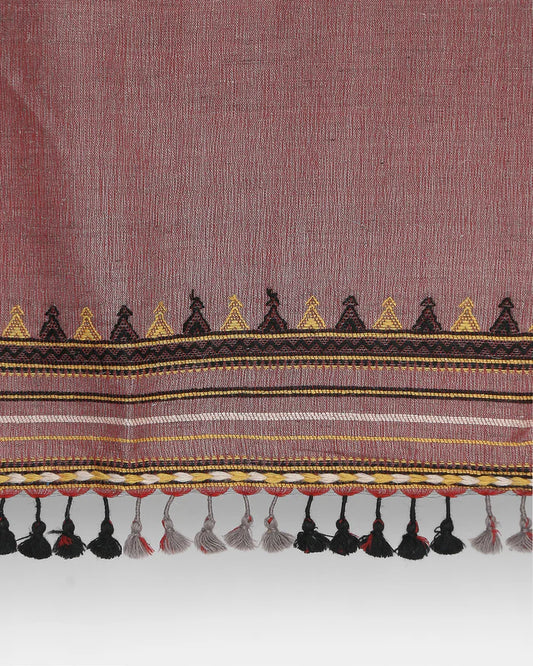

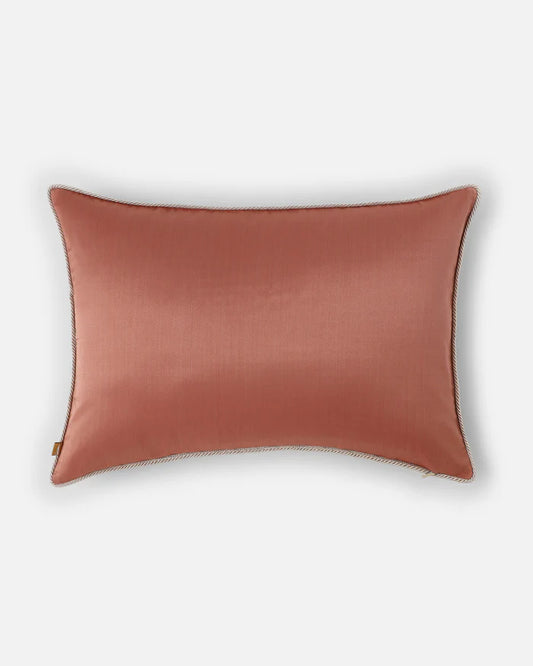

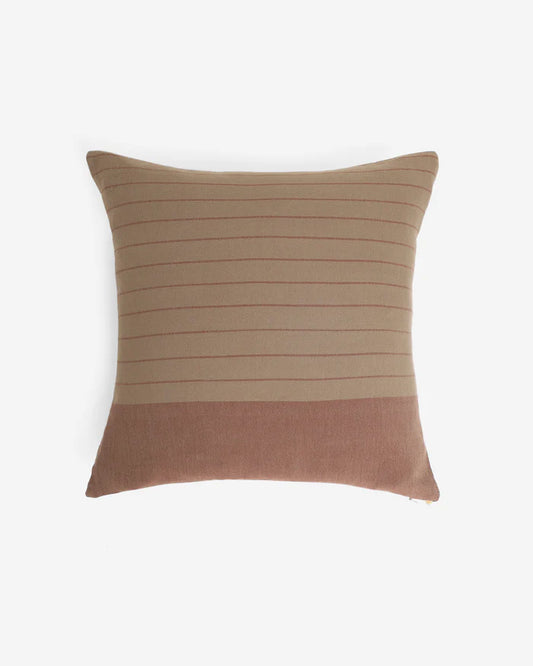

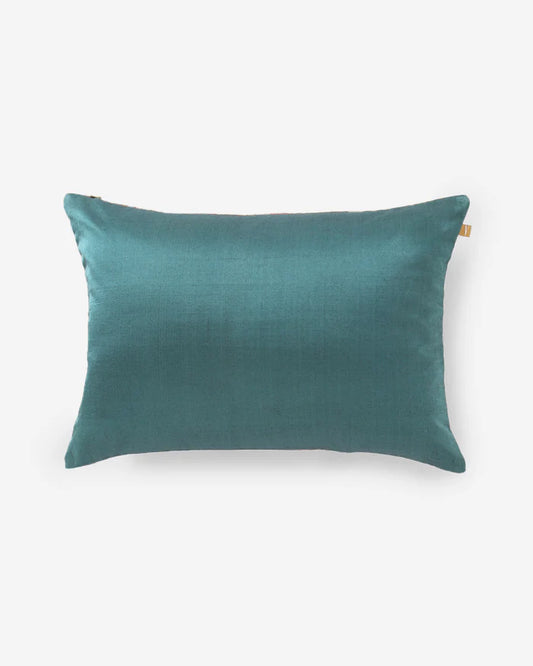

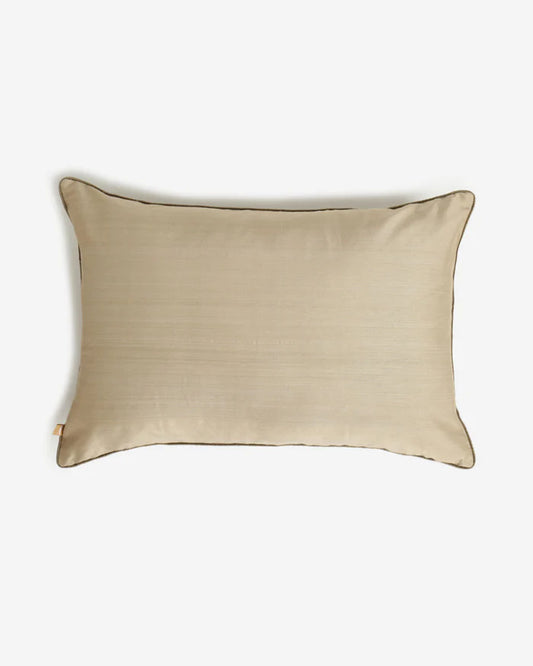

Discover other Collections
-

Tanchoi Silk
Tanchoi silk pillows and table runners hand-loomed in Varanasi, with botanical florals...
-

Ikat Silk Cushions & Table Runners
Ikat silk pillows and table runners hand-loomed in Pochampally using the double-ikat...
-

Hand-Knotted Rugs
Hand-knotted luxury rugs made knot by knot by heritage artisans – thousands...


Common Questions
What is included in Home and the World's handwoven textiles collection?
The handwoven textiles collection is the parent collection covering every handwoven piece Home and the World makes: silk cushions in Gyasar brocade, Tanchoi, and Ikat from Varanasi and Pochampally; silk table runners woven in the same cities; handloomed throws in Bhujodi cotton and merino wool from Bhuj, Gujarat; and hand-knotted rugs from the Bhadohi weaving belt. Every piece is made by hand in small, limited runs and sourced directly from artisan families. All orders ship free to the US and Canada with duties covered.
What is the difference between Gyasar, Tanchoi, Banarasi, and Ikat?
Banarasi is the broad heritage category — fine silk woven in Varanasi with gold or silver zari, dating to the Mughal era. Tanchoi is a Banarasi sub-technique with a satin base and a dense supplementary weft, so the pattern is woven into the cloth with no long floats on the reverse. Gyasar is a heavy brocade woven in Varanasi for the Himalayan and Tibetan-Buddhist market, rich in zari and bold motifs. Ikat, from Pochampally in Telangana, is different in kind: the yarn itself is resist-dyed before weaving, giving its pattern a soft, feathered edge.
What does handwoven mean, and how is it different from machine-made?
Handwoven means the cloth is made on a hand- or pit-operated loom, with the weaver passing the weft by hand rather than a powered machine doing it automatically. The motif is built into the weave rather than printed on top, so it does not crack, fade, or peel, and subtle irregularities give the cloth a depth that power-loomed and printed fabric replicate only on the surface. A well-made handwoven piece is an heirloom rather than a furnishing.
What is zari thread?
Zari is the metallic thread — historically real gold or silver, today usually a fine gold- or silver-coloured metallic yarn — that is woven into Banarasi and Gyasar silk to form the motifs and give the cloth its luminous shimmer. Because zari is woven into the structure of the fabric rather than embroidered on afterwards, the pattern is integral to the cloth and does not lift or fray with normal use.
What is mulberry silk and why is it used?
Mulberry silk is the finest and most lustrous natural silk, produced by silkworms fed exclusively on mulberry leaves. Its long, smooth, uniform fibres give the cloth its sheen, strength, and soft hand, which is why it is the traditional choice for Banarasi, Tanchoi, and Gyasar weaving. Home and the World uses natural mulberry silk across its handwoven silk pieces.
Where are Home and the World's textiles made?
The silk cushions and table runners are woven in Varanasi (Banaras) in Uttar Pradesh and in Pochampally in Telangana. The handloomed throws are woven in Bhuj, in the Kutch region of Gujarat. The hand-knotted rugs come from the Bhadohi weaving belt, India's historic carpet-making region. Every piece is sourced directly from the artisan families who make it.
How do you care for handwoven silk, wool, and cotton textiles?
Silk pieces should be spot-cleaned or dry-cleaned to protect the zari and the dye. Merino wool throws are best dry-cleaned or gently hand-washed cold and dried flat. Bhujodi cotton can usually be hand-washed cold and air-dried. Keep all natural fibres out of prolonged direct sunlight to preserve colour. Full care instructions ship with every order.
Do handwoven textiles ship free to the US and Canada?
Yes. All orders ship free to the US and Canada with all duties covered, so the listed price is the final price with no charges at delivery. Most in-stock pieces ship within 2–5 business days, and every item is limited edition and made in a small run.